
Fashion Meets Function: How Singapore’s Personal Trainers Influence the Activewear Trends of Modern Urban Life

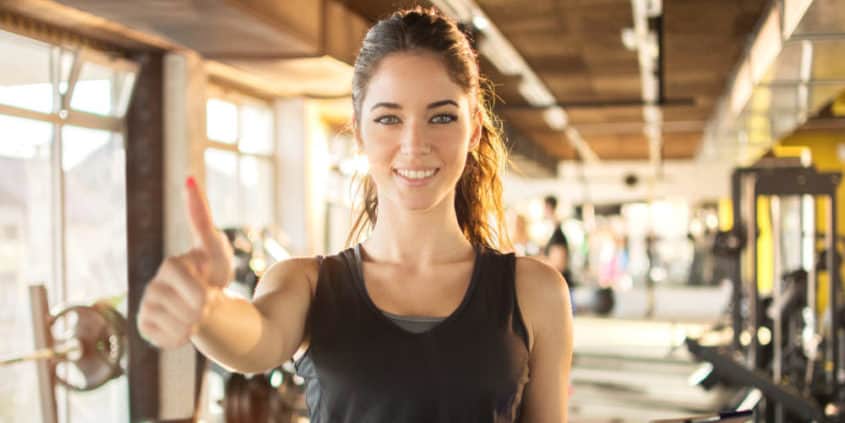
In Singapore, fitness has become more than a routine—it’s a lifestyle that merges health, aesthetics, and identity. With the growing popularity of gym culture, yoga studios, and boutique fitness spaces, the demand for functional yet stylish activewear has surged. Behind this evolution lies a subtle yet powerful influence: the insights of professional trainers. A personal gym trainer Singapore not only helps clients build strength and endurance but also inspires how people dress for movement. From material innovations to comfort-driven design, personal trainers have become silent trendsetters shaping the city’s activewear scene.
The Evolution of Fitness Fashion in Singapore
A decade ago, gym wear was purely utilitarian. Comfort was prioritised over style, and most people changed into casual clothes immediately after training. Today, activewear has become part of daily fashion. Singaporeans wear leggings, joggers, and performance tops from the gym to cafes and even offices with relaxed dress codes.
This transformation is driven by a shift in lifestyle. Fitness is now seen as a symbol of discipline, confidence, and self-expression. Personal trainers play a key role in this evolution by highlighting the importance of quality apparel that supports performance while enhancing confidence.
Why Trainers Care About What Clients Wear
For trainers, fitness fashion is not just about looking good—it’s about function and safety. The right activewear can improve performance, reduce injury risk, and promote better movement mechanics. Trainers educate clients on:
-
Choosing moisture-wicking fabrics to manage sweat
-
Wearing supportive footwear to prevent strain
-
Selecting compression wear for muscle stability
-
Using lightweight materials that encourage mobility
This awareness has encouraged clients to invest in high-quality gear rather than just fashionable pieces. Over time, it has influenced the entire activewear market in Singapore to prioritise function blended with modern aesthetics.
Performance Meets Style
Singapore’s humid climate makes fabric technology essential. Personal trainers often recommend breathable materials that support thermoregulation during intense workouts. Popular fabric choices include:
-
Poly-spandex blends for stretch and durability
-
Mesh panels for ventilation
-
Antimicrobial fabrics to combat odour
-
Recycled performance fibres for sustainability
As more brands adopt these innovations, they combine practicality with fashion appeal. Trainers often act as unofficial ambassadors of these trends, showcasing functional wear that performs well under demanding sessions.
The Rise of Athleisure: A Lifestyle Beyond the Gym
Athleisure—a blend of athletic and leisure wear—has become a dominant trend across Singapore. Trainers have contributed to its rise by demonstrating how fitness clothing can be both stylish and versatile. Many clients who work with trainers begin to see gym apparel as an extension of their personal identity.
Athleisure fits perfectly into Singapore’s lifestyle, where people value convenience and appearance. You can now spot tailored joggers, fitted tanks, and sneakers paired with blazers or casual wear across the city. This merging of fashion and fitness is largely inspired by the lifestyle promoted by modern trainers.
Building Confidence Through Appearance
Wearing the right activewear can enhance self-esteem and motivation. Trainers often observe that clients perform better when they feel confident in their outfits. A well-fitting sports bra, durable leggings, or performance shoes can change a person’s posture, mood, and overall attitude during training.
This psychological connection between confidence and performance has encouraged brands to focus on inclusive designs that cater to different body shapes, sizes, and styles. Trainers champion this inclusivity by promoting comfort and individuality over comparison.
The Role of Personal Trainers in Brand Influence
Singapore’s fitness professionals are increasingly seen as influencers within the wellness space. Many brands collaborate with trainers to promote apparel, not just for advertising but for authenticity. Trainers test the functionality of products before recommending them, ensuring credibility in their endorsements.
Through social media, workshops, and gym communities, trainers help clients make informed choices about performance wear that truly supports their fitness goals. This has created a bridge between sports science and fashion innovation.
Sustainability and Conscious Fashion in Fitness
Another trend personal trainers support is sustainability. As awareness about environmental responsibility grows, more trainers encourage clients to choose ethical brands that use recycled materials and eco-friendly manufacturing. Trainers often highlight how sustainability in fitness extends beyond diet and exercise—it includes mindful consumption.
Some of the latest developments in sustainable activewear include:
-
Recycled polyester fabrics from plastic bottles
-
Bamboo-based materials for natural breathability
-
Local Singaporean brands focusing on ethical sourcing
This shift toward eco-conscious fitness fashion reflects the trainer-led movement of making wellness more holistic and responsible.
Tailored Activewear for Professional Performance
For clients who train competitively or engage in high-performance workouts, trainers help select specialised gear designed for specific purposes. Examples include:
-
Compression tights for better blood circulation
-
Supportive shoes for running or lifting
-
Grip-enhanced gloves for strength training
-
UV-protective fabrics for outdoor sessions
Trainers assess movement mechanics and body type to recommend apparel that optimises comfort and safety during performance. This expertise has raised the standard of functional fashion in Singapore’s fitness industry.
The Intersection of Fashion, Technology, and Fitness
Technology has revolutionised activewear design. Smart fabrics and wearable-integrated clothing are becoming increasingly common, offering real-time tracking and biometric feedback. Trainers are among the first to adopt and test these innovations, helping brands refine designs based on real-world performance.
Smart apparel now includes:
-
Heart rate monitoring tops
-
Sweat-absorbent cooling fabrics
-
Posture-correcting compression shirts
-
Leggings with integrated motion sensors
These cutting-edge features make activewear a tool for performance improvement, not just a style statement.
Community Influence and Social Identity
Fitness communities led by trainers often set local fashion trends. Group classes, boot camps, and fitness events serve as style hubs where members express individuality through their activewear. Trainers, by default, become fashion trendsetters within these communities—setting examples through practicality and consistency.
The sense of belonging fostered by coordinated activewear, branded gym outfits, and team colours further strengthens community motivation. In a city that values professionalism, this shared fitness identity represents balance between ambition and self-care.
Supporting the Active Lifestyle Movement
Trainers don’t just promote workouts; they promote a holistic lifestyle. By encouraging clients to stay active, eat well, and dress comfortably, they indirectly shape a movement where health, confidence, and fashion coexist.
Gyms like True Fitness Singapore embody this blend of function and lifestyle, offering not just training facilities but a complete wellness experience. Their trainers set the tone for a modern fitness culture—where comfort, performance, and aesthetics go hand in hand.
FAQs
Q1: Why do personal trainers emphasise activewear quality?
A: Because proper activewear supports mobility, reduces discomfort, and enhances workout safety, helping clients perform better and recover faster.
Q2: What are the best fabrics for Singapore’s climate?
A: Lightweight, moisture-wicking materials such as nylon blends, spandex, and breathable mesh are ideal for managing humidity and sweat.
Q3: Does what I wear really affect my motivation to train?
A: Yes. Comfortable, well-fitting activewear can boost confidence, improve focus, and increase workout consistency.
Q4: How are trainers influencing fashion trends?
A: Trainers test, recommend, and often collaborate with brands, influencing what becomes popular through practical expertise and community presence.
Q5: What is athleisure, and why is it popular in Singapore?
A: Athleisure is apparel designed for both exercise and daily wear. It suits Singapore’s climate and lifestyle by combining comfort and modern style.
Q6: How do trainers encourage sustainable fashion choices?
A: They promote brands using recycled or ethically produced materials, teaching clients to make mindful purchases that align with a sustainable lifestyle.
Q7: What’s the future of fitness fashion?
A: The future lies in smart apparel that integrates technology for real-time performance tracking, along with eco-friendly materials for sustainability.
This detailed article explores how a personal gym trainer in Singapore shapes the activewear culture, influencing both fitness performance and fashion identity. It highlights the synergy between style, comfort, and science—proving that in modern fitness, what you wear is as important as how you move.

Comments are closed.