

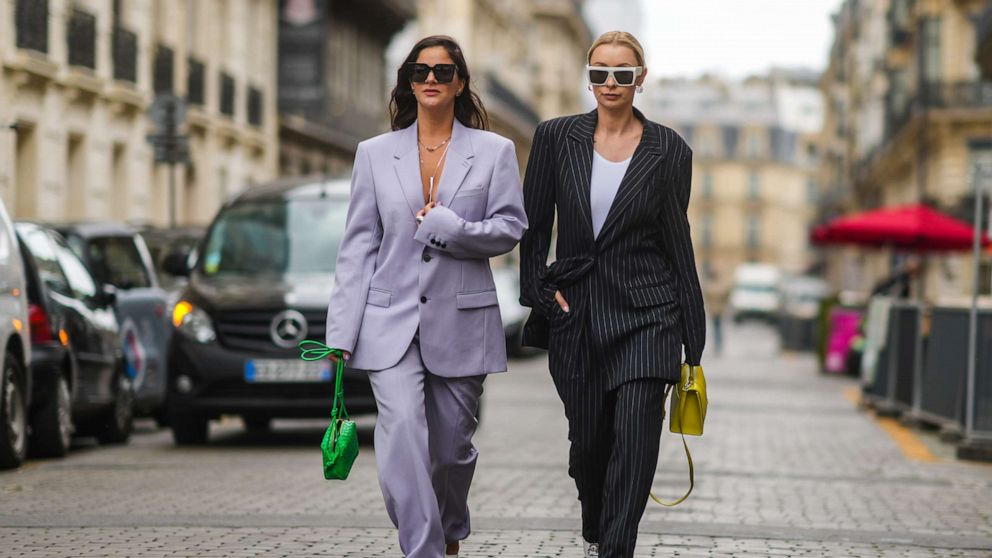
The fashion industry is no longer divided into neat categories like formal, casual, or sportswear. Today, boundaries are dissolving, and new hybrid categories are emerging that blur traditional distinctions. These hybrid segments are not just stylistic trends; they are reshaping how brands design, market, and sell clothing.
Retailers are adapting quickly, creating spaces and collections that reflect this shift. Consumers no longer shop strictly for occasions. Instead, they seek versatility, identity, and functionality in a single product. This transformation has given rise to hybrid fashion categories that redefine retail segmentation.
What Are Hybrid Fashion Categories
Hybrid fashion categories combine elements from traditionally separate clothing segments to create new, multifunctional styles. These categories reflect changes in lifestyle, work culture, and consumer expectations.
Rather than fitting into a single purpose, hybrid clothing serves multiple roles.
Examples include:
- Clothing that transitions from work to leisure
- Apparel that blends performance features with everyday style
- Designs that merge luxury aesthetics with casual comfort
These hybrids are not temporary fads. They represent a structural shift in how fashion is conceptualized and consumed.
The Drivers Behind Hybrid Fashion
Several forces have contributed to the rise of hybrid fashion categories.
Changing Lifestyles
Modern lifestyles demand flexibility. Remote work, travel, and social mobility require clothing that adapts easily.
- Workspaces are less formal
- Social events are more fluid
- Daily schedules are less predictable
Consumers need clothing that can move across these contexts without requiring multiple outfit changes.
The Rise of Comfort Culture
Comfort has become a primary factor in purchasing decisions. This shift accelerated as people began prioritizing ease over rigid dress codes.
- Soft fabrics replacing structured materials
- Relaxed fits replacing tailored silhouettes
- Functional features integrated into everyday wear
Comfort is no longer limited to loungewear. It is now embedded across categories.
Technological Advancements
Fabric innovation has enabled hybridization.
- Moisture-wicking materials used in casual wear
- Stretch fabrics incorporated into formal clothing
- Weather-resistant textiles adapted for urban use
Technology allows garments to perform across different environments without sacrificing style.
Consumer Identity and Versatility
Consumers want clothing that reflects multiple aspects of their identity.
- Professional and creative
- Active and relaxed
- Minimalist and expressive
Hybrid fashion allows individuals to express these layers simultaneously.
Key Hybrid Fashion Categories Transforming Retail
Athleisure: Performance Meets Everyday Style
Athleisure is one of the most prominent hybrid categories. It blends athletic wear with casual fashion, creating clothing suitable for both exercise and daily activities.
Key characteristics:
- Breathable and stretchable fabrics
- Sleek, minimal designs
- Versatility across gym and social settings
Retail impact:
- Dedicated athleisure sections in stores
- Expansion of activewear brands into lifestyle markets
- Increased demand for multifunctional apparel
Athleisure has shifted consumer expectations. People now expect performance features even in non-athletic clothing.
Workleisure: Office Wear Redefined
Workleisure combines professional attire with casual comfort. As workplace norms evolve, this category has gained significant traction.
Features include:
- Structured garments made with soft, flexible materials
- Neutral tones with relaxed silhouettes
- Pieces that transition easily from meetings to informal settings
Retail implications:
- Blurring of formalwear and casualwear sections
- Increased focus on hybrid office collections
- Decline in demand for strictly formal attire
Workleisure reflects a broader cultural shift toward more relaxed professional environments.
Street-Lux: Streetwear Meets High Fashion
Street-lux merges the aesthetic of streetwear with the craftsmanship and pricing of luxury fashion.
Characteristics:
- Bold designs combined with premium materials
- Limited edition releases
- Strong brand identity and cultural influence
Retail changes:
- Luxury brands adopting streetwear elements
- Collaborations between high-end designers and street brands
- Increased focus on exclusivity and storytelling
This category has redefined what luxury means, making it more accessible and culturally relevant.
Techwear: Function Meets Futuristic Design
Techwear is a hybrid of fashion and utility, designed for functionality in urban environments.
Key elements:
- Weather-resistant fabrics
- Multiple pockets and modular designs
- Minimalist, futuristic aesthetics
Retail impact:
- Growth of niche but loyal consumer segments
- Integration of functional features into mainstream fashion
- Expansion of outdoor-inspired urban clothing
Techwear reflects the demand for clothing that performs in real-world conditions while maintaining a distinct visual identity.
Gender-Neutral Fashion: Beyond Traditional Categories
Gender-neutral fashion removes the divide between menswear and womenswear, creating inclusive designs.
Features:
- Universal fits and silhouettes
- Neutral color palettes
- Emphasis on individuality over gender norms
Retail transformation:
- Introduction of unisex sections
- Redesign of store layouts to reduce gender segmentation
- Broader target audiences for brands
This category reflects shifting cultural attitudes toward identity and inclusivity.
Formal-Casual Hybrids: Occasion Fluidity
Formal-casual hybrids combine elements of dressy and relaxed clothing, making them suitable for multiple occasions.
Examples include:
- Sneakers paired with tailored suits
- Blazers worn with denim
- Dresses styled with casual footwear
Retail implications:
- Styling-focused merchandising
- Cross-category product placement
- Increased demand for versatile pieces
Consumers are no longer dressing strictly for occasions, leading to more fluid wardrobe choices.
How Hybrid Categories Are Reshaping Retail Strategy
Retailers are adapting their strategies to accommodate hybrid fashion.
Store Layout and Merchandising
Traditional store layouts organized by category are becoming less effective.
New approaches include:
- Styling-based displays instead of category-based sections
- Mixed collections that encourage outfit building
- Flexible merchandising that highlights versatility
This shift helps consumers visualize how products fit into their daily lives.
Product Development
Design teams are focusing on multifunctionality.
- Combining performance and aesthetics
- Creating adaptable designs
- Prioritizing comfort and durability
Products are no longer designed for a single use case.
Marketing and Branding
Brands are redefining how they communicate with consumers.
- Emphasizing lifestyle over product type
- Highlighting versatility and adaptability
- Using storytelling to connect with diverse identities
Marketing now reflects how consumers live rather than how products are categorized.
Inventory and Supply Chain Adjustments
Hybrid categories require flexibility in production and inventory management.
- Smaller, more adaptable collections
- Faster response to changing trends
- Reduced reliance on rigid seasonal cycles
Retailers must be agile to keep up with evolving consumer preferences.
Challenges of Hybrid Fashion Categories
While hybrid fashion offers opportunities, it also presents challenges.
Consumer Confusion
Blurring categories can make it harder for consumers to navigate options.
- Difficulty in identifying product purpose
- Overlap between collections
- Lack of clear categorization
Retailers must balance flexibility with clarity.
Brand Identity Risks
Expanding into hybrid categories can dilute brand identity if not managed carefully.
- Overextension into unrelated segments
- Loss of core brand message
- Inconsistent product offerings
Brands need a clear strategy to maintain coherence.
Pricing Complexity
Hybrid products often combine features from different categories, making pricing more complex.
- Higher production costs
- Consumer expectations for value
- Balancing affordability with innovation
Pricing strategies must reflect both functionality and design.
The Future of Hybrid Fashion
Hybrid fashion categories are expected to grow and evolve further.
Increased Personalization
Consumers will demand more tailored experiences.
- Customizable clothing options
- Adaptive designs based on individual needs
- Integration of technology for personalization
Expansion of Functional Fashion
Functionality will continue to play a major role.
- Smart textiles
- Climate-adaptive clothing
- Enhanced durability and performance
Continued Blurring of Boundaries
The distinction between categories will continue to fade.
- More cross-category collaborations
- Greater emphasis on versatility
- Retail environments designed around lifestyle rather than product type
Hybrid fashion is not a passing trend. It represents a fundamental shift in how clothing is designed, sold, and worn.
Conclusion
Hybrid fashion categories are redefining retail by breaking down traditional boundaries and aligning clothing with modern lifestyles. Consumers are no longer satisfied with single-purpose garments. They seek versatility, comfort, and identity in every piece they wear.
Retailers and brands that embrace this shift are better positioned to meet evolving demands. By focusing on multifunctionality, adaptability, and consumer identity, hybrid fashion is shaping the future of the industry in a meaningful way.
FAQ Section
What makes hybrid fashion different from traditional fashion categories
Hybrid fashion combines elements from multiple categories, allowing a single garment to serve different purposes rather than fitting into one specific category.
Why are hybrid fashion categories becoming popular
They reflect modern lifestyles that require flexibility, comfort, and versatility in clothing choices.
Is athleisure still considered a hybrid category
Yes, athleisure remains one of the most successful examples of hybrid fashion, blending athletic and casual wear.
How do hybrid categories affect online shopping
They encourage platforms to use lifestyle-based filters and styling suggestions rather than strict category classifications.
Are hybrid fashion products more expensive
They can be, due to added functionality and design complexity, but pricing varies depending on brand and materials.
Can small brands compete in hybrid fashion
Yes, smaller brands can innovate quickly and focus on niche hybrid segments, giving them a competitive advantage.
Will traditional fashion categories disappear completely
They are unlikely to disappear entirely, but their importance will continue to decline as hybrid categories dominate consumer preferences.

Comments are closed.