

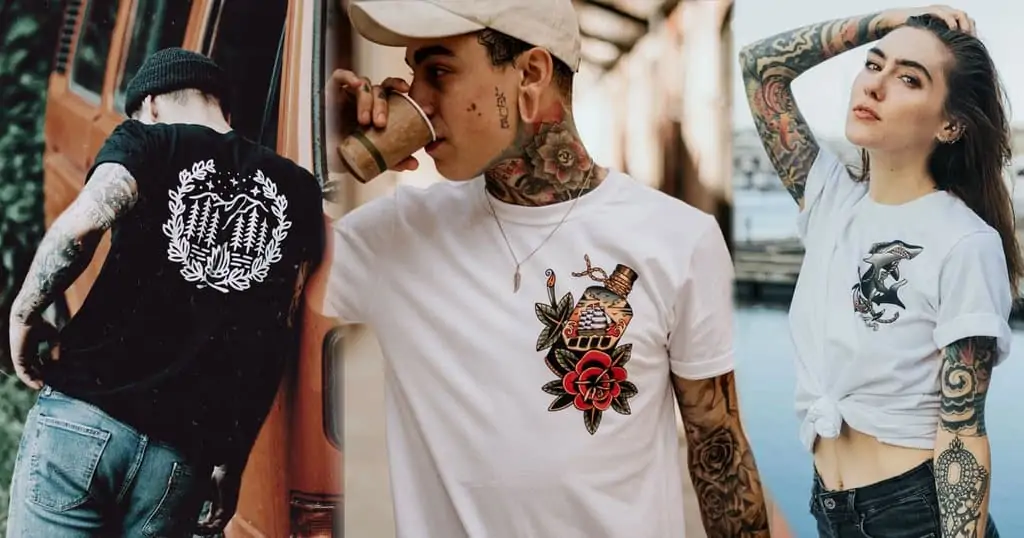
The relationship between body art and fashion is as old as the needle itself. For decades, tattoos were viewed as the fringe markings of sailors, rebels, and counter-culture icons, but today they have emerged as one of the most significant influences on global streetwear. Tattoo-inspired Sullen Clothing takes the intricate storytelling and bold aesthetics of the tattoo shop and transposes them onto denim, jersey, and leather. This crossover has allowed the artistry of the skin to become a wearable form of expression for everyone, regardless of whether they have sat in a tattoo artist’s chair. From the sharp lines of traditional Americana to the fluid strokes of Japanese Irezumi, the world of tattoo-inspired streetwear is a celebration of history, craftsmanship, and personal identity.
The Origins of the Tattoo and Streetwear Connection
The fusion of tattoo culture and clothing began in earnest within the subcultures of the mid-twentieth century. In the United States, military personnel returning from overseas brought back both tattoos and souvenir jackets, often featuring the same motifs found on their skin. This aesthetic was eventually adopted by skate and surf communities in the late seventies and eighties, who appreciated the rebellious spirit and hand-drawn quality of tattoo art. These early pioneers didn’t just want to wear a brand; they wanted to wear something that looked like it had a soul and a history.
As streetwear began to formalize into a global industry, designers looked toward the tattoo world for its rich library of symbolism. The bold outlines and limited color palettes of traditional tattoos proved to be perfect for screen-printing on t-shirts and hoodies. This era marked the birth of a specific aesthetic where the clothing functioned as an extension of the body’s art. It allowed individuals to signal their affinity for certain lifestyles and artistic movements without the permanent commitment of a needle, effectively turning the sidewalk into a gallery for ink-inspired designs.
Traditional Americana and the Bold Line Aesthetic
Perhaps the most recognizable style in tattoo-inspired clothing is American Traditional. Characterized by heavy black outlines and a primary color palette of red, gold, and green, this style is defined by iconic symbols like eagles, daggers, roses, and nautical stars. These images translate exceptionally well to streetwear because they are highly legible and visually striking even from a distance. A single “old school” tattoo motif on the back of a canvas work jacket or embroidered on a beanie creates an instant connection to a heritage of rugged individualism.
Streetwear brands often collaborate with renowned tattoo artists to ensure that these designs maintain their authenticity. Rather than simply copying a flash sheet, these collaborations often focus on the placement of the art on the garment. By mirroring the way a tattoo follows the muscle and bone of the body, designers can create clothing that feels more organic and less like a standard printed product. The appeal of traditional Americana in fashion lies in its timelessness; these symbols have survived for a century because they represent universal themes of courage, love, and loss.
Conclusion
Tattoo-inspired clothing and streetwear represent a perfect marriage of two worlds that value authenticity above all else. Whether it is the classic grit of a sailor’s anchor on a denim vest or the elegant swirl of a dragon on a silk bomber jacket, these designs carry a weight and meaning that standard fashion often lacks. As body art continues to gain mainstream acceptance, the influence of tattoo aesthetics on our clothing will only grow deeper and more refined. By understanding the history and the different styles within this niche, fashion enthusiasts can better appreciate the skill involved in bringing the permanent art of the skin to the temporary canvas of the wardrobe. In the end, tattoo-inspired streetwear is more than just a style; it is a tribute to the stories we tell with our bodies and the art that moves with us.

Comments are closed.