

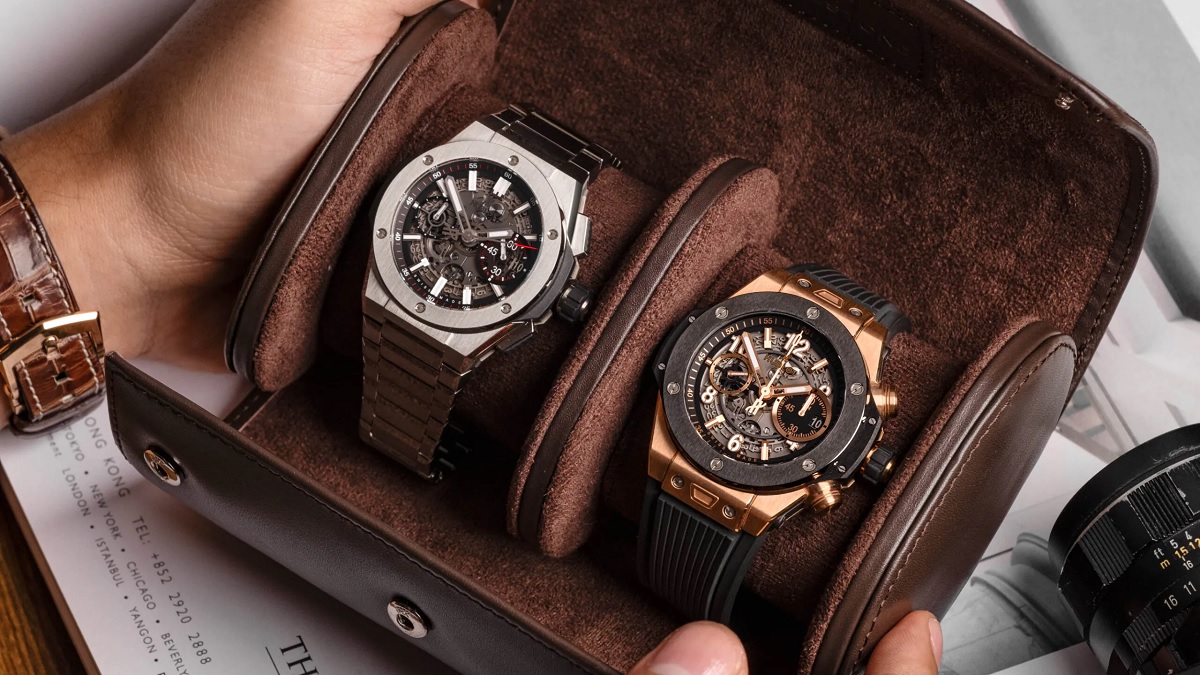
There’s a certain romance in the quiet tick of a vintage watch — a soft, steady pulse of engineering and elegance that speaks to more than just the hour. In today’s world of mass-produced smartwatches and fleeting fashion trends, the choice to wear a vintage timepiece signals a deeper appreciation for craftsmanship, legacy, and individuality. For those in the know, nothing quite compares to the exquisite array of vintage watches from renowned manufacturers, each one a true expression of timeless style.
Vintage watches are not merely accessories; they’re wearable history — and they’re making a sophisticated comeback in the wardrobes of collectors, professionals, and style-conscious Australians alike. But what makes these mechanical masterpieces so enduring in their appeal? Let’s take a closer look.
The Heritage Behind the Hands
Wearing a vintage watch is like carrying a piece of the past on your wrist. Each timepiece tells a story, reflecting the era, design philosophy, and technological capabilities of the time it was produced. Renowned watchmakers have spent decades — sometimes centuries — refining their artistry. From the precise movement of gears to the character of aged dials, a vintage watch offers a tangible link to a bygone era when detail truly mattered.
Provenance and Prestige
Well-established brands built their reputations on consistency, innovation, and aesthetic excellence. Owning a piece from a manufacturer known for shaping horological history brings with it a sense of prestige, not loud or ostentatious, but quietly confident. It’s not about flaunting wealth; it’s about showcasing taste.
Whether it’s a mid-century chronograph worn by an air force officer or a classic dress watch passed down through generations, vintage watches connect the wearer to a narrative far richer than any digital screen can display.
The Craftsmanship Advantage
Unlike many modern watches produced in large quantities with interchangeable parts, vintage watches are often hand-assembled. This attention to detail results in distinctiveness: no two aged watches look exactly the same. Subtle variations in patina, dial wear, or lume ageing make every watch unique, and for many collectors, that’s where the magic lies.
Mechanical Movement Mastery
Quartz may be accurate, but mechanical movements have a heart. Traditional calibres — especially from renowned watchmakers — are marvels of micro-engineering. Owning a manually wound or automatic vintage watch means participating in a mechanical ritual: winding the crown, hearing the gears mesh, and feeling the movement come alive. It’s tactile. It’s real.
These movements were built to last. Properly maintained, a vintage mechanical watch can outlive its owner and still run with remarkable precision.
Sustainable Luxury
Fast fashion has long been criticised for its environmental toll, and watches are no exception. The production of new electronic timepieces can contribute to resource waste, battery pollution, and a throwaway culture. By contrast, buying a vintage watch is a form of sustainable style. You’re recycling something already made, giving it new life rather than consuming anew.
Vintage watches are inherently more eco-conscious and contribute to a more circular economy. Plus, there’s no trade-off in quality — quite the opposite. You’re getting the type of craftsmanship that today would cost exponentially more.
A Personal Style Statement
In an age where so much is generic, wearing a vintage timepiece offers a quiet form of rebellion — a nod to individuality in a world obsessed with conformity.
Elegance Over Excess
A vintage watch doesn’t shout for attention. It whispers of elegance. It pairs just as well with a tailored suit as it does with jeans and a linen shirt. While trends come and go, a classic watch — think minimalist dials, polished cases, and rich leather straps — never looks out of place. It becomes part of your personal signature.
Conversation Starter
Beyond fashion, vintage watches often spark curiosity. Whether at a business lunch, gallery opening, or casual café catch-up, it’s common to hear: “That’s a beautiful watch — what’s the story behind it?” And every collector has a story to tell. The joy of discovery, the thrill of finding the right piece, and the journey of restoration — it all adds layers of meaning.
Investment and Appreciation
Though style and heritage are strong motivators, the growing vintage watch market in Australia also offers compelling reasons for investment. Watches from renowned makers — especially in excellent condition with original parts — often appreciate in value over time.
Factors That Enhance Value:
- Rarity: Limited production runs or discontinued models tend to be more sought after.
- Condition: Originality, minimal wear, and complete documentation can significantly boost resale potential.
- Brand Legacy: Watches from brands with enduring reputations hold their value and attract new collectors constantly.
- Patina and Character: Certain wear characteristics — such as dial fading or “tropical” discolouration — are now considered desirable by enthusiasts.
More Australians are treating vintage watch collecting not just as a hobby, but as a smart alternative investment — tangible, trackable, and, importantly, wearable.
The Joy of the Hunt
Unlike buying new, acquiring vintage timepieces is an experience in itself. It involves research, exploration, conversations with experts, and often, a bit of luck. Whether you’re browsing online collections or visiting trusted dealers, discovering that one perfect watch becomes a moment of pure satisfaction.
This thrill of finding a beautifully preserved chronograph or a long-lost reference you’ve been eyeing for years simply can’t be replicated in a high-street retail shop.
Where Australians Are Turning
With a growing appreciation for heritage and craftsmanship, more Australian collectors are choosing curated platforms and trusted boutiques that specialise in vintage watches. From Sydney to Melbourne and beyond, the demand for authenticity, quality, and service is rising.
Whether you’re looking for your first collector piece or adding to a seasoned collection, exploring an exquisite array of vintage watches from renowned manufacturers is not just a choice — it’s a statement. One that says you appreciate the finer things in life, the stories that endure, and the timepieces that never go out of style.
Frequently Asked Questions
- How do I know if a vintage watch is authentic?
A. Always purchase from a reputable source that provides detailed documentation, high-resolution images, and service history. Look for original parts, matching serial numbers, and signs of tampering. An in-person inspection by a qualified watchmaker can further validate authenticity. - Are vintage watches suitable for everyday wear?
A. Yes, many vintage watches can be worn daily, especially if they’ve been professionally serviced. However, water resistance, shock protection, and fragile materials should be considered. Use them with care — they were built to last, but they weren’t built for rugged modern conditions. - Can vintage watches be repaired if something goes wrong?
A. In most cases, yes. Skilled watchmakers in Australia can service vintage mechanical watches, replace parts, and restore timepieces to functional condition. However, sourcing rare components may take time and cost more than modern repairs. - What’s the difference between a vintage and an antique watch?
A. Typically, “vintage” refers to watches that are 20 to 50 years old, while “antique” generally means 100 years or older. The value and categorisation can also depend on brand, model, and collectability. - Is buying a vintage watch online safe?
A. It can be — provided you choose a trustworthy source with a solid reputation, like specialist dealers who offer transparency, return policies, and certification. Always check for customer reviews and detailed descriptions before committing.

Comments are closed.