

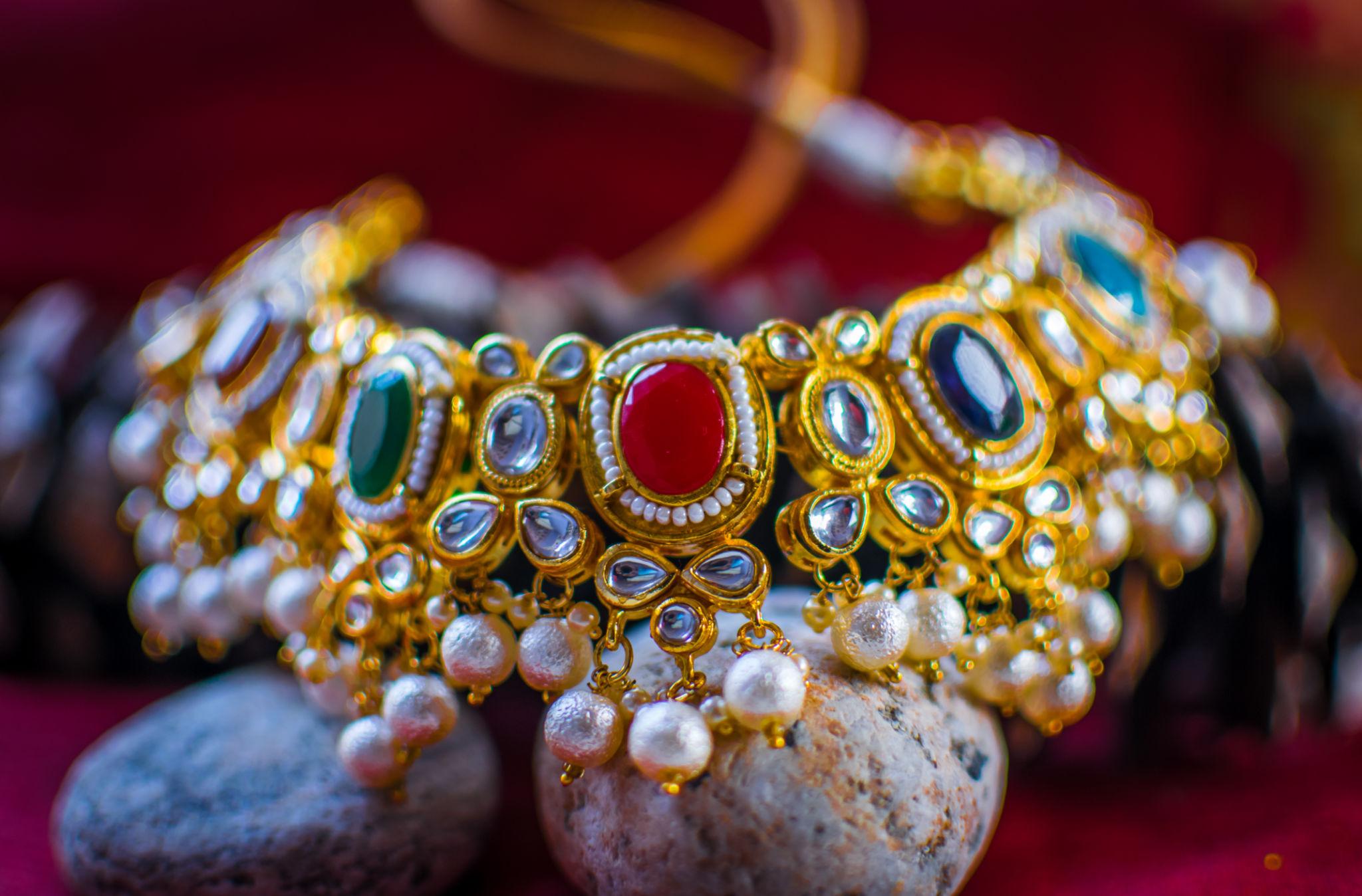
Jewelry has always been more than decoration. Across centuries and continents, it has served as a powerful expression of identity, belief, status, and belonging. In fashion, jewelry often acts as a visual language, communicating cultural heritage in ways that clothing alone cannot. From intricate handcrafted pieces to symbolic adornments passed through generations, jewelry reflects stories that shape both individual and collective identity.
In today’s globalized fashion landscape, jewelry continues to play a significant role in preserving and showcasing cultural traditions. While trends evolve, the deeper meaning behind these adornments remains rooted in history and community.
The Historical Role of Jewelry in Culture
Jewelry has been used for thousands of years as a marker of identity. Ancient civilizations crafted pieces not only for beauty but also for spiritual, social, and political purposes.
Functions of Jewelry in Early Societies
- Symbol of status
Precious materials indicated wealth and social hierarchy - Spiritual significance
Amulets and talismans were believed to offer protection or blessings - Cultural storytelling
Designs often represented myths, traditions, and historical events - Ritual use
Jewelry played a role in ceremonies such as weddings, initiations, and religious practices
These early uses laid the foundation for how jewelry continues to function in modern fashion.
Jewelry as a Marker of Cultural Identity
Cultural identity is often expressed through specific materials, techniques, and motifs. Jewelry becomes a recognizable symbol of belonging to a particular group or region.
Key Elements That Reflect Identity
- Materials
Use of locally sourced metals, stones, or organic elements - Design motifs
Patterns and symbols unique to a culture - Craft techniques
Methods passed down through generations - Wearing style
Placement and combination of pieces can carry meaning
These elements ensure that jewelry remains deeply connected to its cultural origins.
Regional Expressions of Jewelry Traditions
Different parts of the world have developed distinct jewelry styles, each reflecting local history and values.
South Asian Traditions
Jewelry often features gold, intricate detailing, and symbolic motifs. Pieces are closely tied to ceremonies and family heritage.
African Craftsmanship
Bold designs, beadwork, and use of natural materials highlight community identity and storytelling traditions.
Middle Eastern Influence
Elaborate metalwork and gemstone use reflect both artistry and historical trade influences.
Indigenous American Designs
Jewelry often incorporates natural stones and spiritual symbolism, emphasizing connection to land and ancestry.
These regional differences demonstrate the diversity and richness of cultural expression through jewelry.
Symbolism in Jewelry Design
Jewelry is often embedded with meaning. Symbols can represent beliefs, values, or life events.
Common Symbolic Themes
- Protection
Charms and amulets designed to ward off negative energy - Love and commitment
Rings and ornaments associated with relationships - Spirituality
Symbols tied to faith and religious practices - Identity and belonging
Pieces that signify membership in a community or group
Understanding these symbols adds depth to how jewelry is perceived in fashion.
Jewelry and Social Identity
Jewelry can also reflect social roles and status within a community.
Indicators of Social Identity
- Marital status through specific types of adornment
- Age or life stage marked by certain pieces
- Occupational or tribal affiliations
- Economic standing based on materials used
These distinctions highlight how jewelry functions as a social language.
The Influence of Migration and Globalization
As cultures interact and migrate, jewelry styles evolve. Traditional designs are reinterpreted and shared across borders.
Effects of Globalization
- Increased visibility of diverse jewelry styles
- Fusion of traditional and modern designs
- Broader appreciation for cultural craftsmanship
- Challenges related to authenticity and preservation
While globalization spreads awareness, it also raises questions about maintaining cultural integrity.
Cultural Appreciation vs Cultural Appropriation
The global popularity of cultural jewelry has sparked important conversations about respect and representation.
Key Differences
- Cultural appreciation
Involves understanding, respect, and acknowledgment of origins - Cultural appropriation
Occurs when elements are used without context or respect
Responsible Practices
- Learning about the meaning behind pieces
- Supporting artisans from the culture of origin
- Avoiding misuse of sacred or significant symbols
Respectful engagement ensures that cultural jewelry is honored rather than exploited.
The Role of Artisans in Preserving Heritage
Artisans are central to the continuation of traditional jewelry-making techniques. Their work keeps cultural practices alive.
Importance of Artisan Craftsmanship
- Maintains traditional skills and knowledge
- Supports local economies
- Ensures authenticity in design and production
- Passes heritage to future generations
Investing in artisan-made jewelry helps sustain these traditions.
Jewelry in Contemporary Fashion
Modern fashion has embraced cultural jewelry, integrating it into global trends while adapting it for contemporary use.
How Jewelry Influences Fashion Today
- Statement pieces inspired by traditional designs
- Minimalist adaptations of cultural motifs
- Layering techniques that blend styles
- Use of heritage elements in high fashion collections
This integration allows cultural jewelry to remain relevant while evolving with changing tastes.
Personal Identity and Jewelry Choices
Beyond cultural heritage, jewelry also reflects individual identity. People often choose pieces that resonate with their personal experiences and values.
Ways Jewelry Expresses Personal Identity
- Heirloom pieces that carry family history
- Custom designs that reflect personal milestones
- Everyday items that align with individual style
This personal connection adds another layer of meaning to jewelry in fashion.
Sustainability and Ethical Considerations
As awareness grows, consumers are paying more attention to how jewelry is made and sourced.
Ethical Factors
- Responsible sourcing of materials
- Fair wages for artisans
- Environmentally conscious production methods
Choosing ethically made jewelry aligns cultural appreciation with responsible consumption.
The Future of Cultural Jewelry in Fashion
Cultural jewelry is expected to remain a strong influence in fashion. As consumers seek authenticity and meaning, these pieces offer more than aesthetic appeal.
Emerging Trends
- Increased focus on storytelling and heritage
- Greater collaboration between designers and artisans
- Use of technology to preserve traditional techniques
- Continued blending of cultural and contemporary styles
These trends suggest a future where cultural identity remains central to fashion.
Conclusion
Jewelry is a powerful reflection of cultural identity in fashion. It carries stories of heritage, belief, and community, making it far more than an accessory. From traditional craftsmanship to modern reinterpretations, jewelry continues to connect people to their roots while allowing for personal expression.
As fashion evolves, the role of jewelry remains deeply meaningful. By understanding and respecting its cultural significance, we can appreciate its beauty not just for how it looks, but for what it represents.
FAQ
Why is jewelry important in cultural identity
Jewelry reflects traditions, beliefs, and social roles, making it a key expression of cultural identity.
How can I tell if a piece of jewelry has cultural significance
Look for unique materials, patterns, and craftsmanship that are tied to specific regions or traditions.
Is it appropriate to wear jewelry from another culture
Yes, as long as it is done respectfully and with an understanding of its meaning.
What is the difference between traditional and modern cultural jewelry
Traditional jewelry follows historical designs, while modern versions adapt these elements for contemporary use.
How does jewelry connect to family heritage
Many pieces are passed down through generations, carrying personal and cultural stories.
Can jewelry lose its cultural meaning over time
It can evolve, but its original significance often remains important within its culture of origin.
What should I consider when buying culturally inspired jewelry
Focus on authenticity, ethical sourcing, and supporting artisans from the culture it represents.

Comments are closed.